

Most people think of yoga and massage as separate categories of self-care — yoga is something you schedule like a workout, massage is something you book like a luxury. But when you look at what each one actually does for the body, they start to look less like separate activities and more like two parts of the same practice. And when you bring them both into your regular routine, rather than reaching for them only when stress or pain peaks, the benefits compound in a way that occasional use never quite achieves.
Here’s how to think about combining the two, and what a realistic day-to-day routine can actually look like.
What Each One Does — And Why Together Is Better
Yoga works primarily through movement. It lengthens muscles, builds strength and stability, improves circulation, and increases range of motion in the joints. Just as importantly, it trains the nervous system — the breathwork and focus involved in most styles of yoga activate the parasympathetic (“rest and digest”) response, helping to counteract the low-grade stress most of us carry throughout the day.
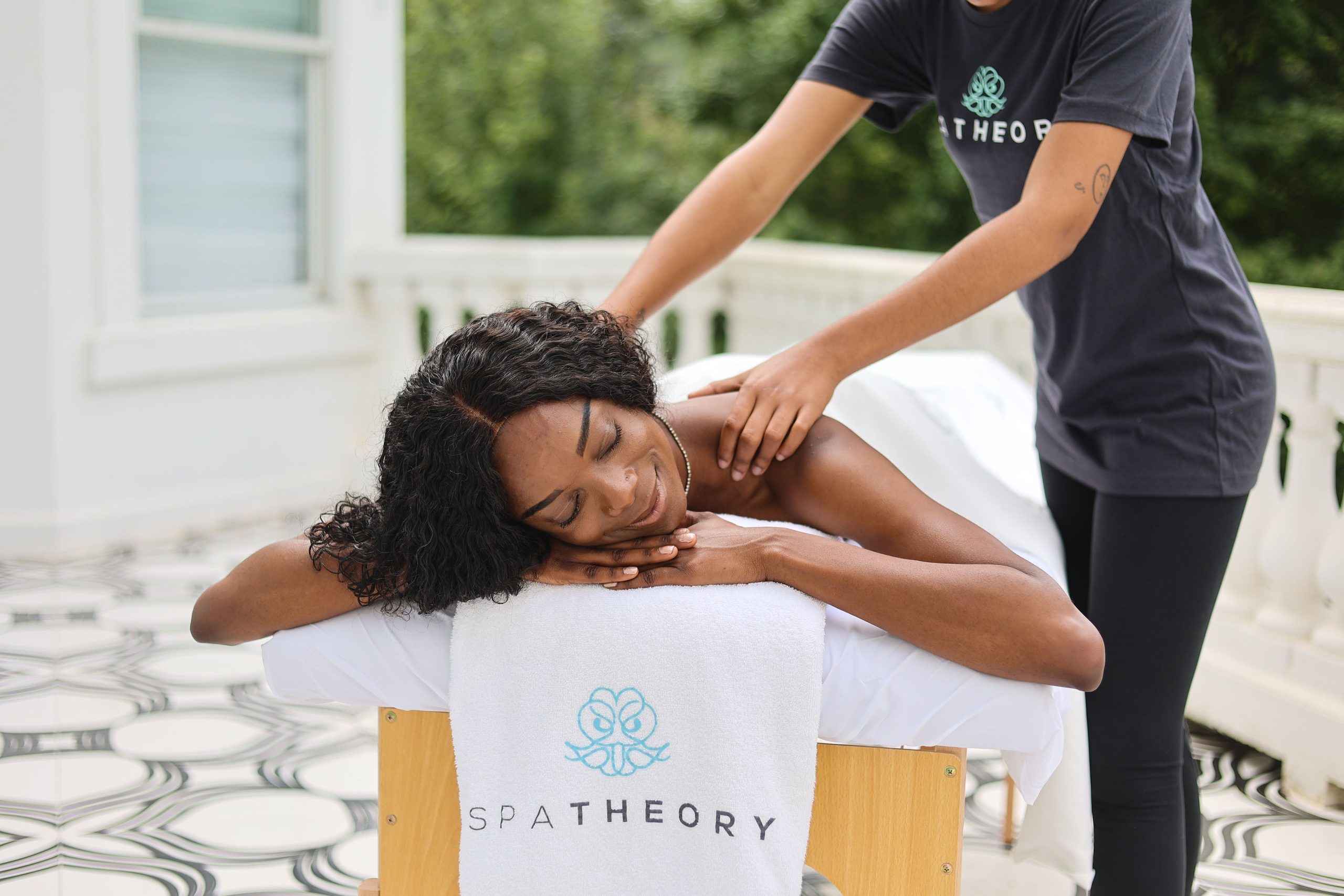
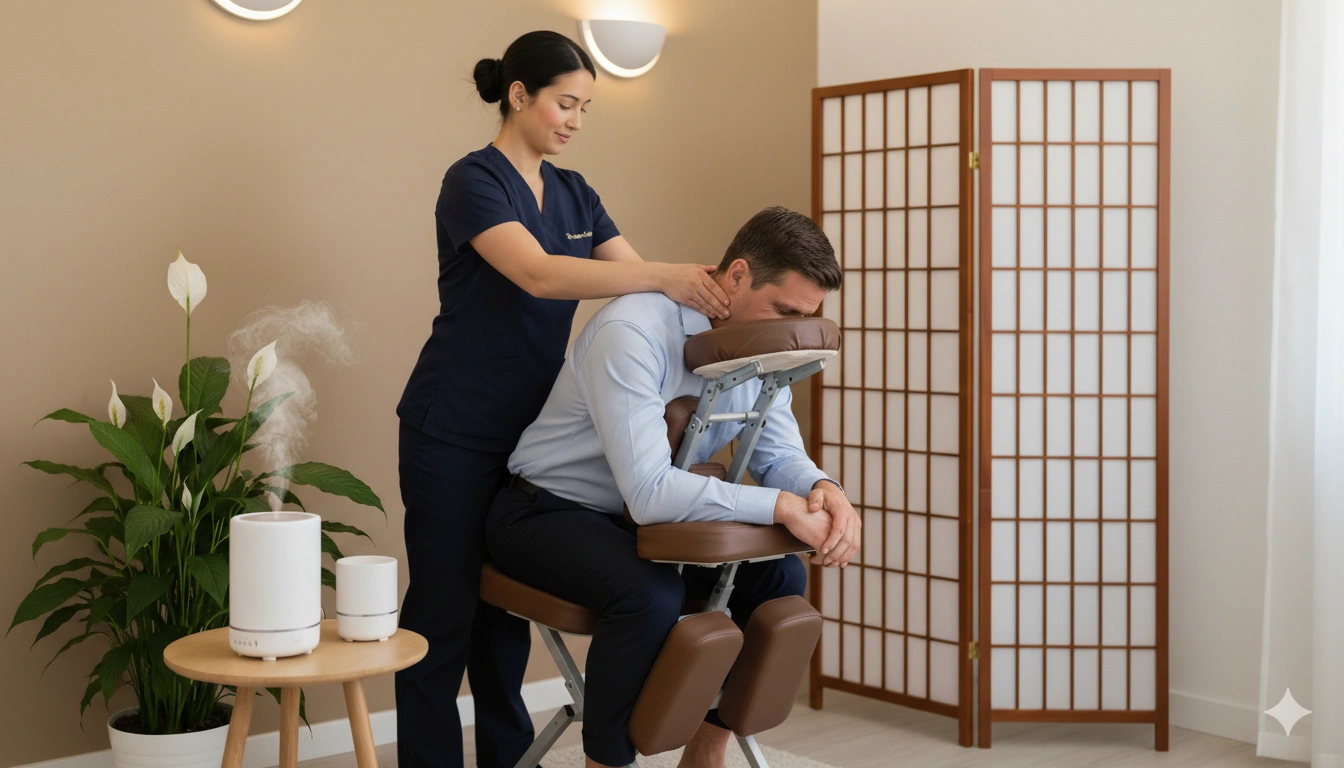
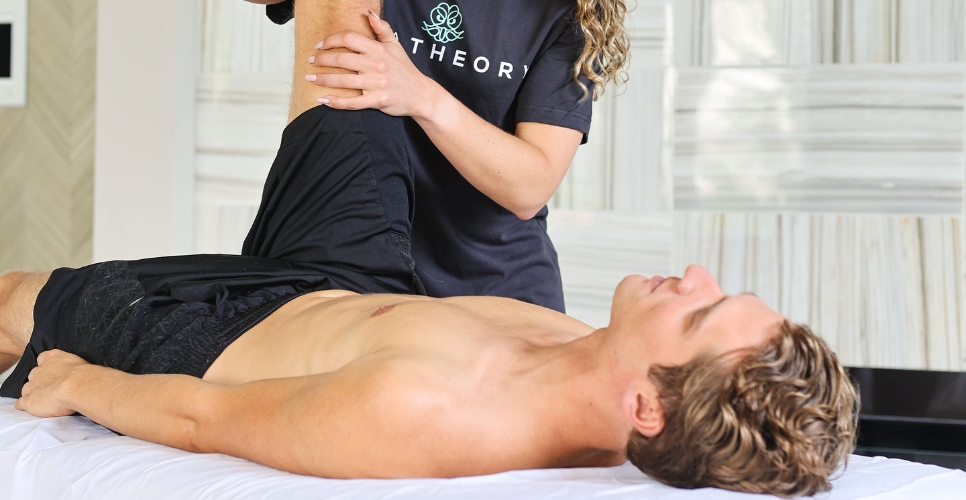
Massage works through direct manipulation of soft tissue. It reaches areas that stretching alone often can’t — knots, adhesions, and chronic tightness built up in muscles over time. It also triggers a deep relaxation response, often more immediately than yoga can on its own.
Used together, the two support each other in an ongoing cycle: yoga keeps muscles supple and mobile, which makes massage more effective and less uncomfortable; massage releases the tension that yoga alone doesn’t fully resolve, which in turn makes the next yoga session easier and deeper. Neither is a replacement for the other — they’re two tools addressing the same goal from different angles.
Why Frequency Matters More Than Intensity
A single yoga class can leave you feeling looser for a day or two. A single massage can relieve tension for a week or so. But the real shift — better mobility, fewer aches, a calmer baseline nervous system — comes from consistency, not from occasional high-effort sessions.
This is really the same principle behind any physical or mental habit: small, regular inputs beat sporadic large ones. A 15-minute stretch three times a week will do more for your body over a month than one two-hour yoga class squeezed in occasionally. The same logic applies to massage — a shorter, more frequent session (or a longer one on a predictable monthly schedule) tends to prevent tension from building up in the first place, rather than just treating it after the fact.
Building a Realistic Weekly Routine
You don’t need hours of free time to make this work. Here’s a simple structure that fits into most schedules:
Yoga — 3 to 4 times per week, 15 to 30 minutes
- Morning: a short flow to wake up the body and set the tone for the day
- Midweek: a slightly longer session focused on areas that feel tight (hips, shoulders, lower back)
- Weekend: a slower, more restorative practice — think yin yoga or gentle stretching
Massage — Weekly or monthly, depending on access and need
- A monthly full massage session to address deeper, accumulated tension
- Self-massage or a massage gun/foam roller a few times a week for quick, in-between maintenance
- A short massage or targeted bodywork session after a particularly demanding physical day
One “recovery day” per week
Pair light movement (gentle yoga or stretching) with intentional rest — this is the day the body actually absorbs the benefits of everything else you’ve done that week.
Making It Stick: Habit Stacking
The easiest way to build this routine without it feeling like an extra chore is to attach it to something you already do:
- Stretch for 10 minutes right after you brush your teeth in the morning
- Do a short yoga flow while your coffee brews or right before your evening shower
- Book your monthly massage on the same date every time (like the first Saturday of the month) so it becomes a fixed appointment rather than something you have to remember to schedule
- Keep a foam roller or massage ball next to your desk or couch so a quick self-massage is always within reach
None of these require a major lifestyle overhaul. The goal is to lower the barrier to doing them, so they happen automatically rather than needing willpower every time.
The Bigger Picture
Yoga and massage aren’t competing for the same slot in your calendar — they’re two halves of a single approach to taking care of your body. One prepares it; the other restores it. Built into a regular routine, rather than reserved for when things go wrong, they become less about fixing problems and more about preventing them.
Start small. A few minutes of stretching a day, one massage a month, and a willingness to treat both as maintenance rather than luxury — that’s really all it takes to build a routine that keeps your body feeling good, consistently, rather than just occasionally.